Transcarpathia Among Top 4: Regional Communities' Tourism Tax Revenue Revealed
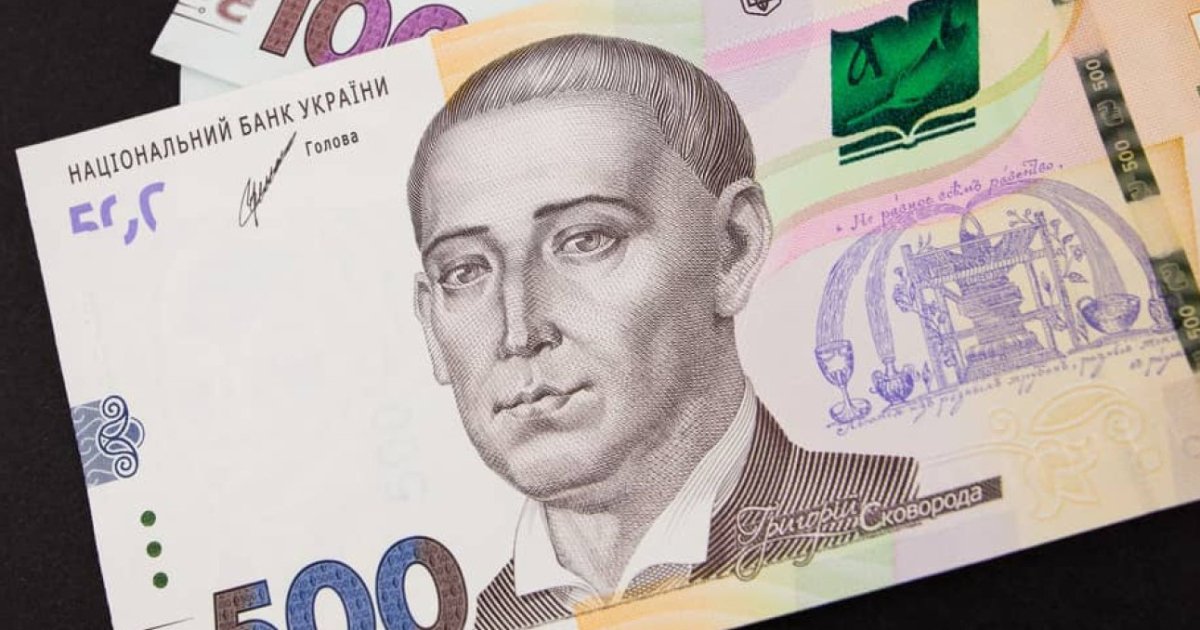
Transcarpathian communities collected over 30 million UAH in tourism taxes over nine months, marking one of the highest growth rates in Ukraine.
 🏙️City
Photo: PMG.ua
Key points
- Transcarpathia ranked 4th in Ukraine for tourism tax volume.
- Regional communities collected 30.42 million UAH in nine months.
- The region is among the top three for the fastest growth in tax revenue.
According to the results of the nine-month reporting period, local budgets in Ukraine received a significant boost from the tourism tax. Data from the OpendataBot analytical platform shows that total revenues reached 287.22 million UAH. This indicates a gradual recovery in the hospitality sector, as the figure is 53 million UAH higher than the results from the same period last year.
Rating Leaders and Transcarpathia's Standing
Traditionally, the highest figures are seen in the capital and the western regions of the country. Kyiv and the Lviv region are currently neck and neck, with the difference in their tax revenues amounting to only about 6,000 UAH. The Ivano-Frankivsk region holds the third position. Transcarpathia firmly maintains its place in the top four: the communities of our region accumulated 30.42 million UAH in tourism taxes during the analyzed period.
It is worth noting that these four regions form the backbone of Ukraine's tourism economy, collectively accounting for 63% of the total national tax volume. However, the Transcarpathian region stands out not only for its absolute numbers but also for its dynamics. Along with the Rivne and Cherkasy regions, our region demonstrates the fastest growth rates in tax revenues in this sector, indicating a significant shift in domestic tourism flows.
How the Tourism Tax Works for Communities
The tourism tax is a specific local tax, the proceeds of which go directly into the budgets of territorial communities. It is paid by visitors staying in hotels, hostels, private estates, or rented apartments. The tax rate is determined directly by local authorities, providing communities with an effective tool to regulate and develop their own tourist appeal.
For Mukachevo and other cities in the region, these funds are a vital resource. The collected finances can be directed toward infrastructure improvements, the maintenance of cultural landmarks, and enhancing services for city guests. The steady growth of the tax confirms that Transcarpathia remains one of the most attractive and relatively safe destinations for recreation and business trips under current challenges.
Source PMG.ua — pmg.ua/tourism/144402-v-ukrayini-porakhuvaly-turystychnyy-zbir-iaki-reh… ↗
Read next
 🚨Events
Massive Russian strikes on Ukrainian cities: Casualties, injuries, and infrastructure damage reported
Russian forces launched another series of massive attacks on Ukrainian regions, targeting residential areas, railways, and critical infrastructure facilities.
 🛡️Security
Kremlin Makes Unusual Demand to Baltic States Following Maritime Incident
Russian presidential spokesman Dmitry Peskov has called on Baltic countries to influence Ukraine. The statement follows reports of a potential drone attack in the Kalinin…
 💡Tech
Project Dive: Scientists Aim to Reach Earth's Mantle via the Italian Alps
An international group of researchers is preparing for a unique drilling project in the Alps, where mantle rocks lie at a record shallow depth of only two kilometers.
 🧠AI Analysis
European Commission Comments on Moscow Invitation and Security Architecture
The European Commission acknowledged awareness of the invitation for EU representatives to visit Moscow while prioritizing multilateral talks.
 🏛️Politics
Debate over anti-corruption agency methods: SAP prosecutor comments on NABU's media activity
SAP prosecutor Rostyslav Batih praised the professionalism of NABU's media team amid criticism regarding the quality of evidence in high-profile cases.
 🇺🇦Ukraine
NATO Secretary General Mark Rutte rejects Russian demands for a 1997-style security rollback
NATO Secretary General Mark Rutte has dismissed Russian attempts to force a revision of the European security architecture as unacceptable.